Image





Young Lives has completed seven rounds of quantitative surveys. In rounds 1–5, data was collected through in-person interviews with primary caregivers and index children. In 2020–21, due to the COVID-19 pandemic, Round 6 was conducted through five phone surveys. Round 7, in 2023–24, marked the return to face-to-face interviews after the COVID-19 pandemic. On this occasion, data were not collected in Vietnam.
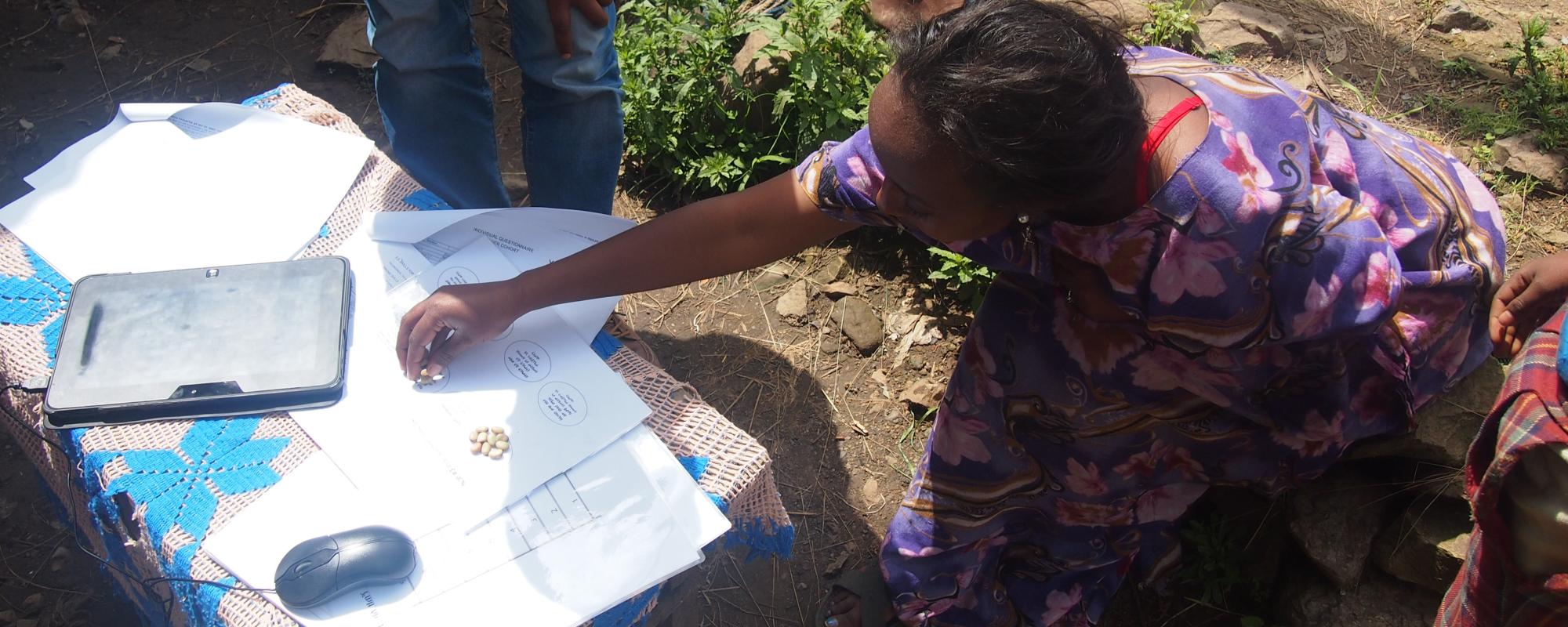
Data was collected using paper questionnaires for Rounds 1–3, from Round 4 onwards, data has been collected using computer assisted programming interview (CAPI), in which interviewers record participants answers using a tablet.
For each round, we release data per country for the Older Cohort, the Younger Cohort and data at the community level. For each cohort, there is a main dataset with information collected from the Young Lives participant (from their caregivers in the earlier rounds) and additional long format datasets (e.g. Household roster).
Data from Rounds 1–7 are all available via the UK Data Service in SPSS and STATA format with the following study numbers:
To make the data accessible and to support data users, the Young Lives study also prepares a constructed dataset for each of the study countries, exploiting the longitudinal nature of the data. The latest version includes data from Rounds 1–7. One main constructed data file is available for each of the four countries. These are presented in a panel format and contain approximately 200 original and constructed variables, with the majority comparable across all seven rounds. A companion technical note is also included for information.
Data from the Ethiopia, India, Peru and Vietnam school surveys are all available via the UK Data Service with the following study numbers:
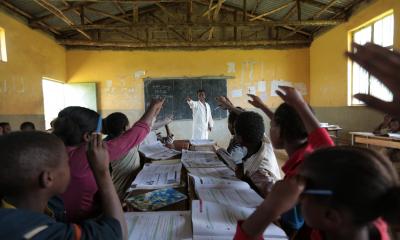
The data are hierarchically structured at the pupil, teacher, class, school site and head teacher level.
Additionally, in 2020, Young Lives conducted the Head Teacher Telephone Survey in Ethiopia and India to understand how the schools were being affected by the COVID-19 pandemic. The survey investigated how schools provided support to children and families while schools remained closed, the effects of this on children's learning, and their plans for reopening.
Data from our longitudinal qualitative research are not archived in the same way as the survey data because of concerns about confidentiality. The data is only available for Young Lives researchers and has been used to write extensive reports. Please visit our Publications page to explore our qualitative findings.
Young Lives research has expanded to explore linking geographical data collected during the rounds to external datasets. Matching Young Lives data with administrative and geographic datasets significantly increases the scope for research in several areas, it may also allow researchers to identify sources of exogenous variation for more convincing causal analysis on policy and/or early life circumstances. We have released linked datasets on the UK Data Service:
Further information is available in the following technical notes:
Young Lives has completed seven rounds of quantitative surveys. In rounds 1–5, data was collected through in-person interviews with primary caregivers and index children. In 2020–21, due to the COVID-19 pandemic, Round 6 was conducted through five phone surveys. Round 7, in 2023–24, marked the return to face-to-face interviews after the COVID-19 pandemic. On this occasion, data were not collected in Vietnam.
Data was collected using paper questionnaires for Rounds 1–3, from Round 4 onwards, data has been collected using computer assisted programming interview (CAPI), in which interviewers record participants answers using a tablet.
For each round, we release data per country for the Older Cohort, the Younger Cohort and data at the community level. For each cohort, there is a main dataset with information collected from the Young Lives participant (from their caregivers in the earlier rounds) and additional long format datasets (e.g. Household roster).
Data from Rounds 1–7 are all available via the UK Data Service in SPSS and STATA format with the following study numbers:
To make the data accessible and to support data users, the Young Lives study also prepares a constructed dataset for each of the study countries, exploiting the longitudinal nature of the data. The latest version includes data from Rounds 1–7. One main constructed data file is available for each of the four countries. These are presented in a panel format and contain approximately 200 original and constructed variables, with the majority comparable across all seven rounds. A companion technical note is also included for information.
Data from the Ethiopia, India, Peru and Vietnam school surveys are all available via the UK Data Service with the following study numbers:
The data are hierarchically structured at the pupil, teacher, class, school site and head teacher level.
Additionally, in 2020, Young Lives conducted the Head Teacher Telephone Survey in Ethiopia and India to understand how the schools were being affected by the COVID-19 pandemic. The survey investigated how schools provided support to children and families while schools remained closed, the effects of this on children's learning, and their plans for reopening.
Data from our longitudinal qualitative research are not archived in the same way as the survey data because of concerns about confidentiality. The data is only available for Young Lives researchers and has been used to write extensive reports. Please visit our Publications page to explore our qualitative findings.
Young Lives research has expanded to explore linking geographical data collected during the rounds to external datasets. Matching Young Lives data with administrative and geographic datasets significantly increases the scope for research in several areas, it may also allow researchers to identify sources of exogenous variation for more convincing causal analysis on policy and/or early life circumstances. We have released linked datasets on the UK Data Service:
Further information is available in the following technical notes: